benefits
Learn about the different ways that athletes, coaches, and parents are using our program to best support growth.
Players
Below are some of the ways that athletes are currently using our program:
Stack Visualization with Your Practices
If your coach is putting an emphasis on a particular skill for a week, then you can listen to our recordings on those exercises before or after your practices. For example, if your coach is focusing on developing defensive intuition, we have multiple recordings that you can listen to that would supplement and enhance your regular practice.
Succeeding With Your Own Goals
Very often, players set goals for improving in certain aspects of their game. If this sounds like you, then we recommend listening to the corresponding recordings in our library while you’re working on those goals. For example, if you’re working on juggling or implementing some new skill moves, then you can listen to those recordings before or after your practice.
Pre-Match Psychological Boost
We have numerous recordings that help athletes prepare for and visualize their success in difficult situations (a description of these can be found at the bottom of the “Plans” page). Listening to our recordings the night before or in the hour preceding a match can help athletes develop a mindset to overcome this adversity.
Working On a Buddy System
Several of our players work in tandem with their teammates or friends to hone their skills. While doing so, listen to our recordings to supplement your practice and further enhance your gains.
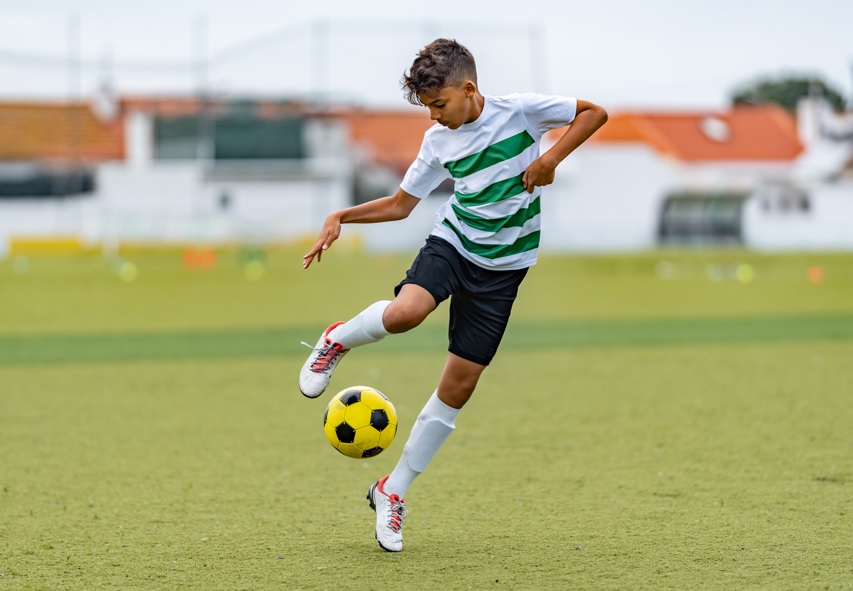
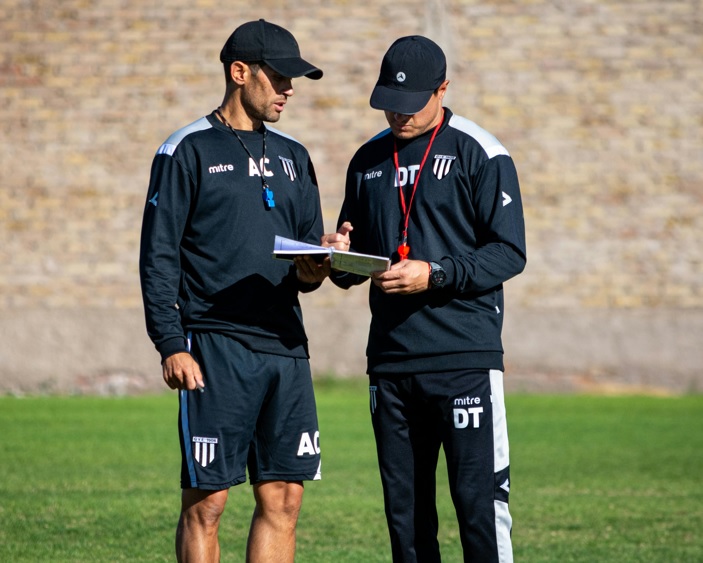
Coaches And Clubs
Here’s how coaches and clubs are using our program with their athletes:
Supplementing Weekly Practice Goals
Very often, coaches will set a particular focus area for where their players need development. During this time, many of our coaches assign nightly visualization homework with the intent of enhancing athlete development and mind-body awareness of the desired skills. For example, if a coach wants to put an emphasis on dribbling, then he or she can assign their athletes to listen to any of our dribbling drill recordings during the same time.
Individualized Support and Progress
Coaches often complain that they don’t have enough time with their players to address all the needs they see on the field. In these cases, coaches can create individualized practice plans for particular players, and in the process, include supplemental visualization sessions to support and enhance the skills that are being worked on.
Get Other Coaches or Your Club Involved
If you want the players that’ll eventually be on your roster to improve, then discuss with their current coaches or the club to ensure there’s a unified approach to player development, including an emphasis on visualization. We’ve noticed younger and younger players using our program as the clubs they belong to recognize the need to develop certain skills before advancing them to next year’s squad.
Parents And Families
Parents and families can help support their athletes with our program by doing the following:
Suggestions For Improvement
Players themselves can’t always identify where they need to improve. But because parents (who regularly attend games and tournaments) have more awareness, it’s easier for them to provide suggestions to their athletes about where they should focus their practice time. If you’re watching a match and notice an area for improvement, suggest your athlete spend more time on that and have them supplement their practice with our program.
Psychological Development
If there are certain game situations you know your child struggles with, then having them use one of our attitude and psychology recordings can be beneficial. For example, if you’ve noticed your child gets fearful when playing against older or more physical teams, suggest listening to our recording on that topic.
Encouraging Goal-Setting
Make it a weekly or monthly plan to check-in with your child about the goals they’ve set for themselves and what they’re working on. If they’re utilizing our goal-setting recordings, they can tell you exactly how their weekly goals are facilitating progress on their larger monthly vision. And of course, when athletes know that they’re reporting their gains to someone, the accountability makes success more likely.